[Quick Reminder: Open enrollment is approaching! See our post 5 Financial Tasks to Tackle Before Fall for helpful tips on reviewing your benefits and more.]
There’s plenty to cover when it comes to the economy and markets.
Most of the news is good, but there are some concerns worth keeping an eye on.
So let’s break down what’s going on, including:
- Stock Market & Corporate Earnings: Are stocks getting too expensive?
- Jobs & Unemployment: Hiring is slowing, but unemployment remains low.
- Consumer Spending: Why are consumers spending when they’re so pessimistic?
- Economy & Inflation: Growth remains strong, but inflation is still a concern.
- Risks We’re Watching: Higher energy prices and interest rates.

Stock Market
The stock market is up roughly 14% year-to-date (with dividends).
However, as the November midterm elections approach, we’ll likely see more volatility.
But consider this:
The market has delivered positive returns in the 12 months following every single midterm election since 1946.
Corporate Earnings
Corporate earnings are strong, with some sectors rising roughly 15% to 25% from a year ago. (Some analysts anticipate 30% or more growth by year-end.)
Driving this growth is the significant spending on AI and data centers, benefiting tech companies and other businesses supporting the buildout.
Interestingly, with such high earnings and a strong stock market, some investors worry stocks are becoming too expensive.
But this isn’t necessarily the case.
Keep in mind, stock prices are only part of the equation; what companies earn also matters.
Here’s a simple example:
Say a company’s stock price goes up 10%, but its earnings go up 25%.
Yes, the stock costs more, but the company is also earning significantly more.
Because earnings grew faster than the stock price, the stock can actually be less expensive relative to what the company earns.
That’s why a rising stock market doesn’t necessarily mean stocks are becoming more expensive.
Jobs & Unemployment
The unemployment rate was 4.20% in September, up slightly from 4.10% in August.
It’s still low by historical standards.
In general, if someone wants a job, they can typically find one. (See YCharts’ summary of monthly unemployment rates dating back to August 2022.)1
Also, job growth has slowed.
There were 133,000 jobs added in August, and only 29,000 in September.
Overall, employers are still hiring, but cautiously.
Consumers Are Spending, But Pessimistic
Consumer sentiment is hovering near low levels: 46.3 in October vs. 56.4 in January, according to University of Michigan survey data.2
Yet, consumer spending continues to trend upward.
This sounds contradictory, but think about your own household.
You may not like paying more for groceries or gas, but you’re likely still buying groceries, filling the tank, going out to dinner and taking the occasional trip.
Also, wages are rising slightly faster than inflation.
Overall, consumers may not feel particularly good about the economy, but their behavior tells a different story.
The Economy Is Growing
The broader economy continues to do well.
The Atlanta Fed’s GDPNow model estimates that the economy grew at a 3.6% annualized rate in the third quarter.3
GDPNow is a running estimate that’s updated as new economic reports become available, including data on consumer spending, business investment, housing, trade and the labor market. The estimates often change rapidly when new reports come out.
Inflation: The Fed Raised Rates in September
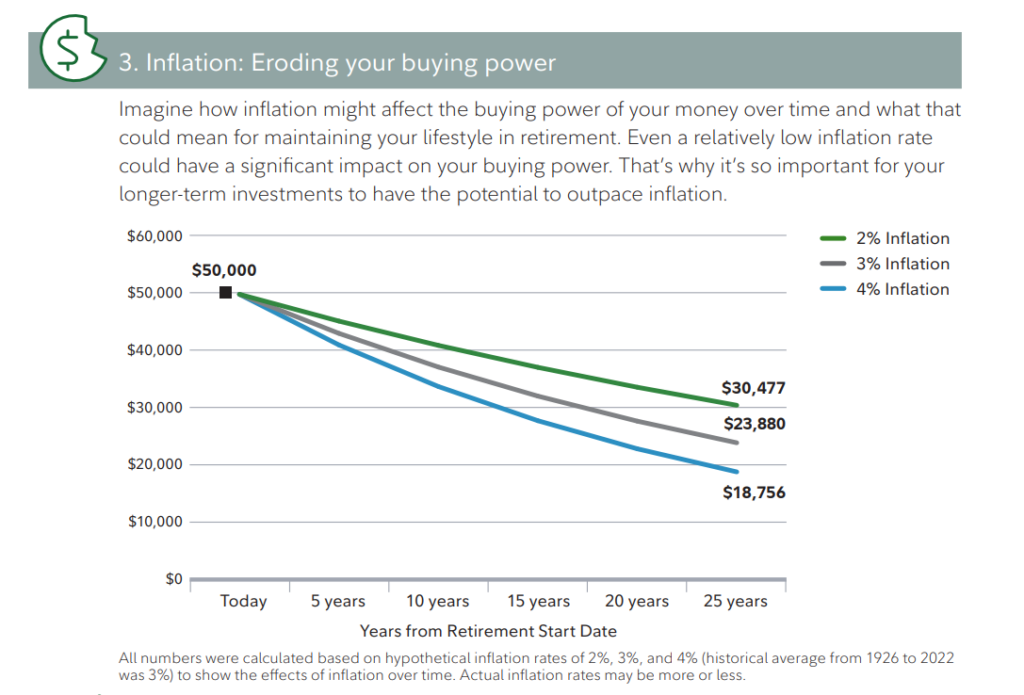
Inflation is running at about 3.8%, above the Fed’s 2% target.
To help bring inflation down, the Fed recently raised short-term interest rates by a quarter of a percentage point.
Higher interest rates make borrowing more expensive, which can slow spending and ease inflation.
The Fed’s goal isn’t to lower prices, but to slow how quickly they rise.
The challenge is bringing inflation down without slowing the economy too much.
Two Risks We’re Watching
Risk #1—Energy Prices
Energy prices are a key risk right now.
Oil has jumped to around $91 a barrel, up from $70 before the Iran conflict.
This matters since nearly everything we buy travels by truck at some point.
When diesel prices rise, transportation costs increase, and these added expenses can eventually show up in the prices we pay for everything from groceries to household essentials.
Risk #2—10-Year Treasury Yield
We’re keeping a close eye on longer-term interest rates, particularly the 10-year Treasury yield. It’s up quite a bit (currently about 5.24%) compared to 4.18% in late 2025.
Higher Treasury yields can increase borrowing costs, including mortgage and auto loan rates.
They can also make relatively safe investments (e.g., Treasury bonds) more attractive than stocks, putting downward pressure on stock prices and potentially leading to lower portfolio returns.
Finally, rising Treasury yields can cause existing bond prices to fall, potentially reducing the value of your bond holdings.
To help manage this risk, we use a strategy called bond laddering. Rather than investing in bonds that all mature at the same time, we spread their maturity dates over several years.
For example, as shorter-term bonds mature, we can reinvest the proceeds in new bonds, potentially taking advantage of higher interest rates.
Deep Dive Resource: Fidelity explains how to build a bond ladder in their article, How to earn steady income with bonds.4
As always, please reach out with any questions.
Dave
Before You Go
Get help optimizing your retirement income. Download our FREE “Prolonging Retirement Income” checklist.
Also, receive help retiring to the life you want, schedule a complimentary financial planning consultation.
This communication was prepared with financial writer Sharron Senter’s assistance, based on interviews with David Bunker, a financial advisor and licensed fiduciary.
Sources:
1: YCharts, US Unemployment Rate, https://ycharts.com/indicators/us_unemployment_rate
2: YCharts, US Index of Consumer Sentiment, https://ycharts.com/indicators/us_consumer_sentiment_index
3: Federal Reserve Bank of Atlanta, Current and Past GDPNow Commentaries, https://www.atlantafed.org/research-and-data/data/gdpnow/current-and-past-gdpnow-commentaries
4: Fidelity.com, How to earn steady income with bonds, https://www.fidelity.com/viewpoints/investing-ideas/bond-ladder-strategy